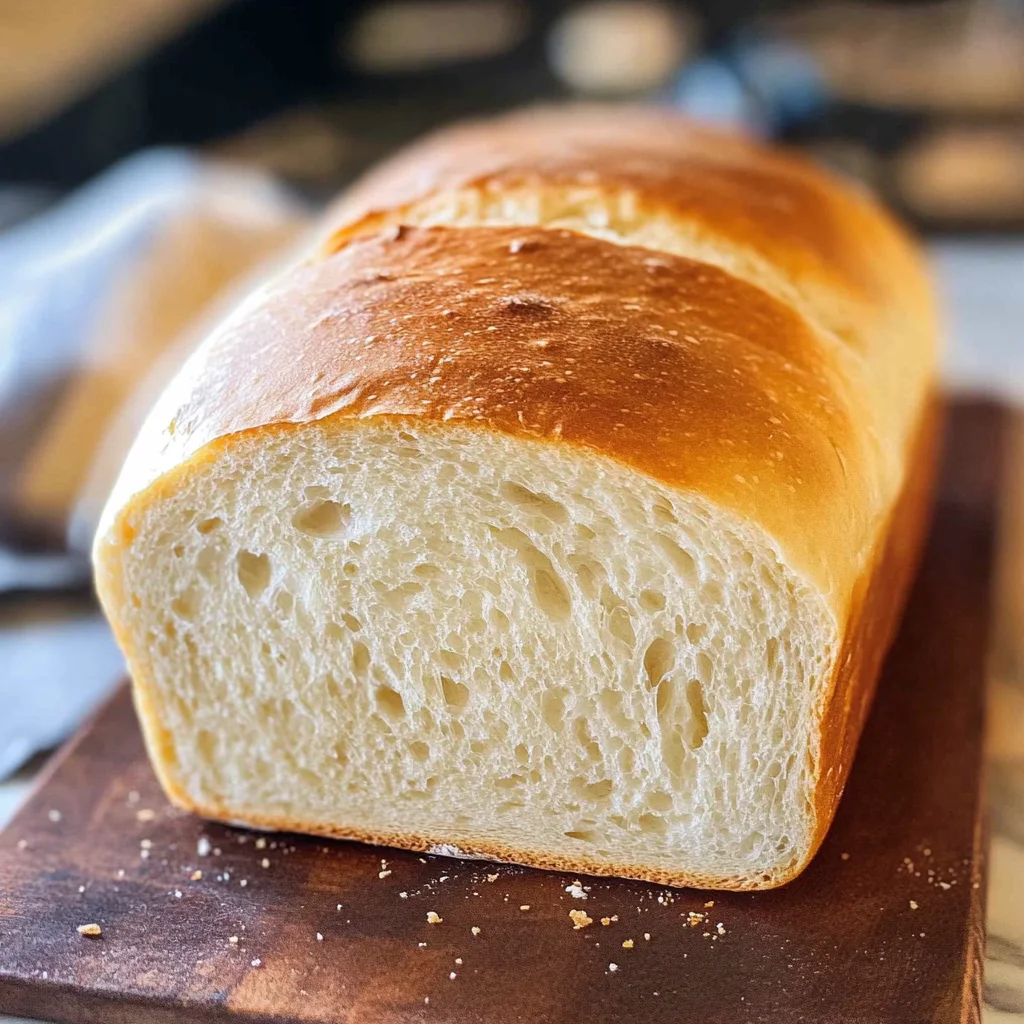
Look no further for the BEST and simplest homemade Bread recipe made with just six simple pantry ingredients! This delightful bread is perfect for sandwiches, toast, or enjoying fresh out of the oven. It also freezes well, making it a versatile addition to any meal or occasion.
Jump to:
- Why You’ll Love This Recipe
- Tools and Preparation
- Essential Tools and Equipment
- Importance of Each Tool
- Ingredients
- How to Make Homemade Bread
- Step 1: Prepare the Dough
- Step 2: Combine Ingredients
- Step 3: Adjust Dough Consistency
- Step 4: Knead the Dough
- Step 5: First Rise
- Step 6: Prepare Pans
- Step 7: Shape Loaves
- Step 8: Second Rise
- Step 9: Bake
- Step 10: Cool Down
- Step 11: Storage
- How to Serve Homemade Bread
- Sandwiches
- Toast
- Dips and Spreads
- How to Perfect Homemade Bread
- Best Side Dishes for Homemade Bread
- Common Mistakes to Avoid
- Storage & Reheating Instructions
- Refrigerator Storage
- Freezing Homemade Bread
- Reheating Homemade Bread
- Frequently Asked Questions
- What makes this Homemade Bread recipe special?
- Can I customize my Homemade Bread?
- How do I know when my Homemade Bread is done baking?
- How long does Homemade Bread last?
- Final Thoughts
- 📖 Recipe Card
Why You’ll Love This Recipe
- Simple Ingredients: This recipe uses only six common pantry staples, making it easy for anyone to whip up.
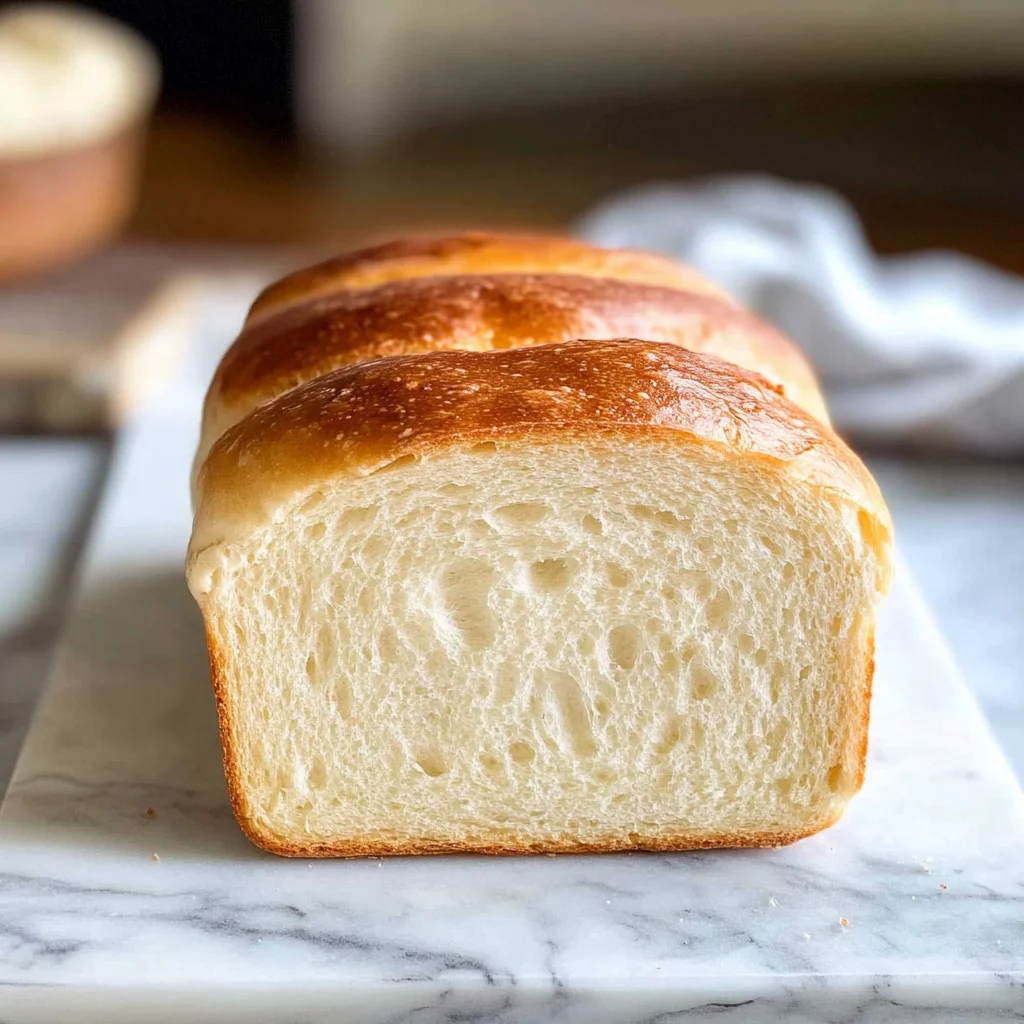
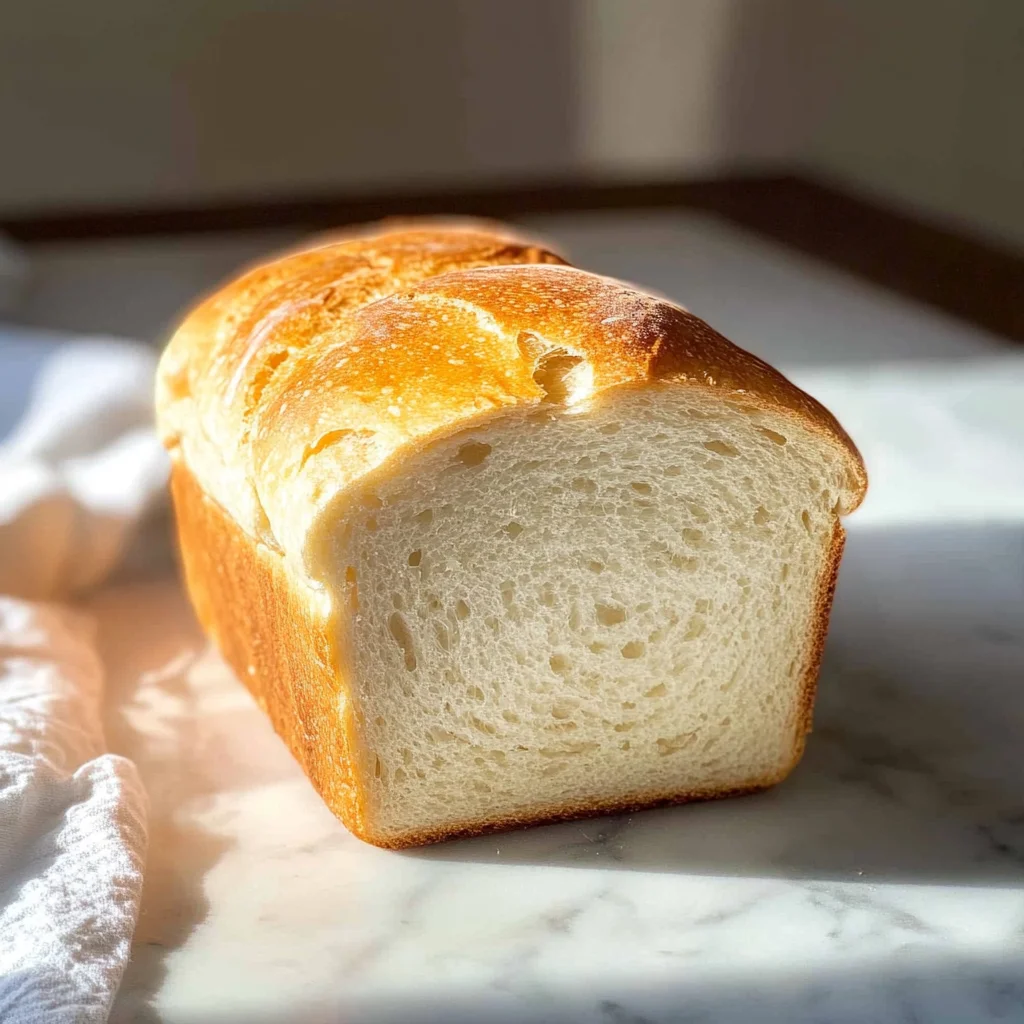
- Perfect Texture: The result is a soft, fluffy loaf with a golden crust that’s ideal for all your bread needs.
- Versatile Uses: Whether you’re preparing sandwiches, toast, or dipping into soups, this homemade bread fits every dish perfectly.
- Freezable: Make extra loaves and freeze them for later use without losing flavor or texture.
- Quick Preparation: With a total time of just under four hours, you can have fresh bread ready in no time!
Tools and Preparation
Before diving into the baking process, gather your tools. Having everything ready will streamline your experience and make the process enjoyable.
Essential Tools and Equipment
- Stand mixer or large mixing bowl
- Measuring cups and spoons
- Cooking spray or oil for greasing
- Two 9×5 inch loaf pans
- Dish towel or plastic wrap
Importance of Each Tool
- Stand mixer: This tool makes kneading easier and ensures a consistent dough texture.
- Measuring cups: Accurate measurements are key to successful baking—these help achieve the right proportions.
- Loaf pans: Proper-sized pans help shape the bread correctly while it rises and bakes.
Ingredients
- 2 cups warm water (105-115 degrees) ((474g))
- 1 Tablespoon active dry yeast*
- 1/4 cup honey or sugar ((85g honey, 50g sugar))
- 2 teaspoons salt
- 2 Tablespoons oil (canola or vegetable) ((30 ml))
- 4 – 5 1/2 cups all-purpose or bread flour* ((500g-688g))
How to Make Homemade Bread
Step 1: Prepare the Dough
In a large bowl or stand mixer, add the yeast, warm water, and a pinch of sugar or honey. Allow this mixture to rest for about 5-10 minutes until it becomes foamy. This step is essential as it proves that the yeast is active; if no bubbles form, you will need fresh yeast.
Step 2: Combine Ingredients
Add the remaining sugar or honey, salt, oil, and 3 cups of flour. Mix until thoroughly combined.
Step 3: Adjust Dough Consistency
Gradually incorporate another cup of flour. With the mixer on low speed, continue adding flour half a cup at a time until the dough starts pulling away from the sides of the bowl. The dough should be smooth and elastic but still slightly sticky.
Step 4: Knead the Dough
Knead the dough for about 4-5 minutes using your stand mixer on medium speed. Alternatively, you can knead by hand on a floured surface for approximately 5-8 minutes.
Step 5: First Rise
Grease a large bowl with oil. Place the dough inside and turn it to coat lightly in oil. Cover with a dish towel or plastic wrap. Let it rise in a warm area until doubled in size—this should take about 1½ hours.
Step 6: Prepare Pans
Generously spray two 9×5 inch loaf pans with cooking spray on all sides. Optionally line the bottoms with parchment paper if desired.
Step 7: Shape Loaves
Once risen, punch down the dough to release air bubbles. Divide it into two equal portions. Shape each portion into long logs and place them in prepared loaf pans.
Step 8: Second Rise
Cover each pan with a lightweight dish towel (or lightly greased plastic wrap). Allow them to rise again for about 45 minutes to an hour until they are about an inch above the pans.
Step 9: Bake
Preheat your oven to 350°F (175°C). Bake the loaves for approximately 30-33 minutes until golden brown on top. A gentle tap on top should produce a hollow sound.
Step 10: Cool Down
Invert each loaf onto a wire cooling rack. Brush tops with butter if desired. Allow cooling for at least ten minutes before slicing.
Step 11: Storage
Once cooled completely, store your homemade bread in an airtight container at room temperature for up to three days or refrigerate for up to five days.
Now you’ve mastered making Homemade Bread, perfect for any occasion! Enjoy every slice!
How to Serve Homemade Bread
Homemade bread is a versatile delight that pairs well with many dishes. Whether you’re looking for a simple spread or a hearty meal, there are plenty of ways to enjoy this freshly baked goodness.
Sandwiches
- Classic Sandwich: Layer your favorite ingredients like turkey, cheese, and vegetables for a satisfying lunch.
- Grilled Cheese: Use slices of homemade bread for a deliciously gooey grilled cheese, perfect for dipping in tomato soup.
Toast
- Avocado Toast: Spread ripe avocado on toasted bread and sprinkle with salt and pepper for a nutritious snack.
- French Toast: Dip slices of homemade bread in a mixture of eggs and milk, then cook until golden brown for a sweet breakfast treat.
Dips and Spreads
- Hummus: Serve warm slices of bread with creamy hummus for a healthy appetizer.
- Butter and Jam: A classic combination; spread butter and your choice of jam on warm slices for a sweet touch.
How to Perfect Homemade Bread
Perfecting your homemade bread can elevate it from good to great. Here are some tips to ensure success every time you bake.
- Check Yeast Freshness: Always use fresh yeast for the best rise and flavor in your bread.
- Measure Ingredients Accurately: Use kitchen scales for precise measurements, ensuring the best dough consistency.
- Knead Properly: Knead the dough until it’s smooth and elastic; this helps develop gluten which gives bread its structure.
- Control Temperature: Make sure your dough rises in a warm environment; cold temperatures can inhibit yeast activity.
- Avoid Overbaking: Keep an eye on the bread as it bakes; it should be golden brown but not overly dark.
Best Side Dishes for Homemade Bread
Pairing side dishes with your homemade bread enhances any meal. Here are some delightful options that complement its flavor perfectly.
- Soup: A warm bowl of vegetable or chicken soup makes an ideal match with homemade bread for dipping.
- Salad: A fresh garden salad adds color and crunch alongside slices of soft homemade bread.
- Stews: Hearty beef or vegetable stews pair wonderfully, allowing you to soak up the delicious broth.
- Cheese Platter: Create a cheese board with various cheeses and fruits to enjoy alongside your warm slices of bread.
- Roasted Vegetables: Seasoned roasted vegetables bring out earthy flavors that harmonize beautifully with homemade bread.
- Egg Dishes: Pair your bread with scrambled eggs or an omelet for a satisfying breakfast or brunch option.
Common Mistakes to Avoid
Baking homemade bread can be a delightful experience, but a few common mistakes can impact your results. Here are some pitfalls to watch out for.
- Bold Phrase: Not Proofing the Yeast Properly – If the yeast doesn’t foam, it means it’s inactive. Always proof your yeast in warm water with sugar or honey before mixing it into your dough.
- Bold Phrase: Adding Too Much Flour – Over-flouring can lead to dense bread. Start with the minimum amount and add more gradually until the dough comes together.
- Bold Phrase: Skipping the Second Rise – The second rise is crucial for texture. Allow the shaped dough to rise until it has doubled in size for light and airy bread.
- Bold Phrase: Not Baking Long Enough – Underbaking can result in a gummy interior. Ensure your bread is golden brown and sounds hollow when tapped.
- Bold Phrase: Storing Bread Incorrectly – Improper storage can lead to stale bread quickly. Use an airtight container and consider freezing if not consumed within a few days.
Storage & Reheating Instructions
Refrigerator Storage
- Store bread in an airtight container for up to 5 days.
- Keep it at room temperature for best flavor and texture.
Freezing Homemade Bread
- Wrap loaves tightly in plastic wrap or foil before placing them in a freezer-safe bag.
- Bread can be frozen for up to 3 months.
Reheating Homemade Bread
- Bold Phrase: Oven – Preheat your oven to 350°F (175°C) and warm the bread for about 10-15 minutes for a freshly baked taste.
- Bold Phrase: Microwave – Place slices on a microwave-safe plate and cover with a damp paper towel. Heat for 10-15 seconds, checking frequently.
- Bold Phrase: Stovetop – Use a skillet over low heat, adding a few drops of water to create steam. Cover and heat until warmed through.
Frequently Asked Questions
What makes this Homemade Bread recipe special?
This homemade bread recipe is simple, using just six pantry ingredients, making it perfect for beginners and seasoned bakers alike.
Can I customize my Homemade Bread?
Absolutely! You can add herbs, garlic powder, or cheese to enhance flavor or substitute some all-purpose flour with whole wheat flour for added nutrition.
How do I know when my Homemade Bread is done baking?
The bread should be golden brown on top and sound hollow when tapped on the bottom. This indicates that it is fully cooked inside.
How long does Homemade Bread last?
Homemade bread lasts about 2-3 days at room temperature and up to 5 days if refrigerated. For longer storage, freeze it!
Final Thoughts
This homemade bread recipe is not only easy but also versatile, allowing you to tailor it to your taste. Try experimenting with different flavors or enjoy it as is! Whether you need sandwich bread or a side for soups, this recipe will not disappoint.
Did You Enjoy Making This Recipe? Please rate this recipe with ⭐⭐⭐⭐⭐ or leave a comment.
📖 Recipe Card
Print
Homemade Bread
- Total Time: 53 minutes
- Yield: About 16 slices 1x
Description
Homemade Bread is a delightful addition to any meal, offering a simple yet satisfying baking experience. This recipe uses just six pantry staples to create a soft, fluffy loaf with a golden crust that’s perfect for sandwiches, toast, or enjoying fresh out of the oven. With minimal effort and a bit of patience, you’ll have delicious bread ready to complement your favorite dishes. Plus, it freezes well, allowing you to prepare extra loaves for later use without sacrificing flavor or texture. Whether you’re a beginner baker or an experienced cook, this recipe makes it easy to enjoy freshly baked bread in your own kitchen.
Ingredients
- 2 cups warm water (105-115°F)
- 1 tablespoon active dry yeast
- 1/4 cup honey or sugar
- 2 teaspoons salt
- 2 tablespoons canola or vegetable oil
- 4 – 5 1/2 cups all-purpose flour
Instructions
- In a bowl or stand mixer, combine yeast and warm water with a pinch of honey or sugar. Let sit until foamy (5-10 minutes).
- Stir in remaining honey or sugar, salt, oil, and 3 cups of flour until mixed.
- Gradually add more flour until dough pulls away from sides of the bowl; it should be smooth but slightly sticky.
- Knead for 4-5 minutes using a stand mixer or by hand for about 5-8 minutes on a floured surface.
- Place dough in a greased bowl and let rise in a warm area until doubled (about 1½ hours).
- Divide dough into two portions, shape into logs, and place in greased loaf pans.
- Cover and let rise again until about an inch above the pans (45 minutes to an hour).
- Preheat oven to 350°F and bake loaves for about 30-33 minutes until golden brown.
- Cool on wire racks before slicing.
- Prep Time: 20 minutes
- Cook Time: 33 minutes
- Category: Bread
- Method: Baking
- Cuisine: General
Nutrition
- Serving Size: 1 slice
- Calories: 80
- Sugar: 1g
- Sodium: 130mg
- Fat: 1g
- Saturated Fat: 0g
- Unsaturated Fat: 0g
- Trans Fat: 0g
- Carbohydrates: 15g
- Fiber: <1g
- Protein: 2g
- Cholesterol: 0mg